Neuroscientifically Challenged
Neuroscience made simpler.
The brain, explained — reference entries and stories, written and reviewed by people who study it.
In focus
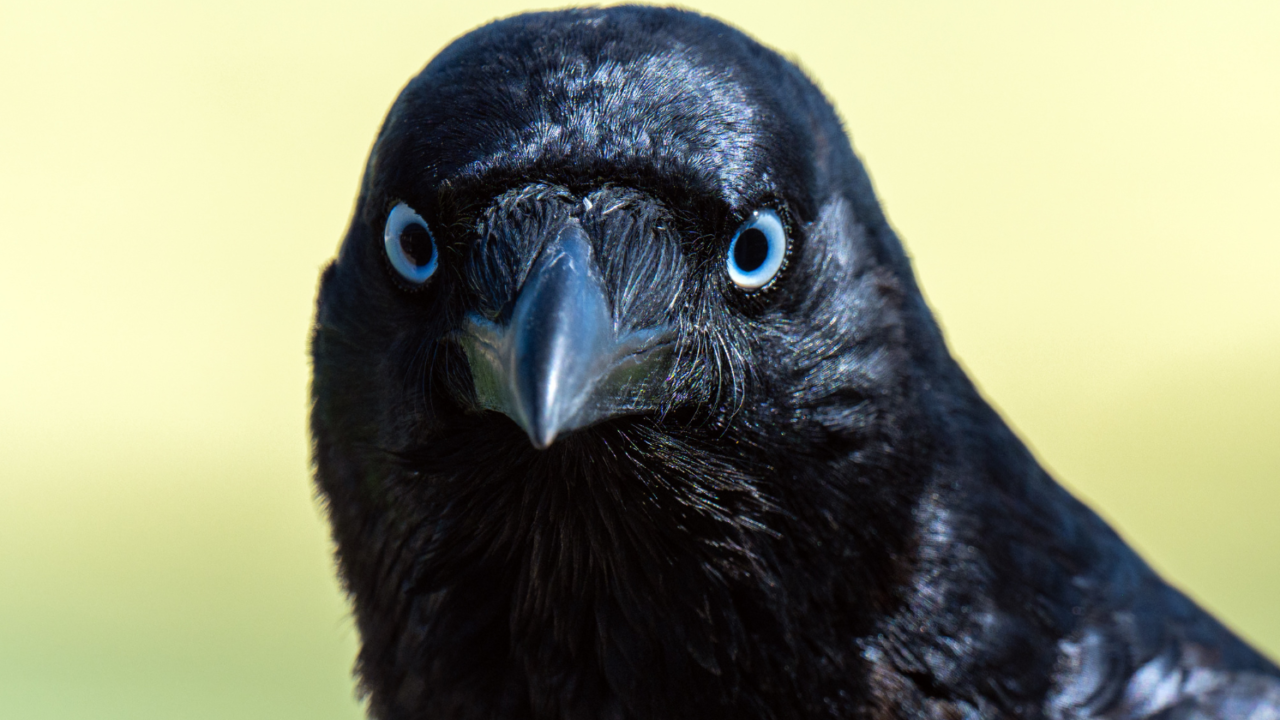

Scientists may have found why most of us learn to love coffee despite hating it as kids

Faking a smile over and over can leave you feeling worse, not better

Psychology says the reason older people stop caring isn’t apathy

Psychology says the loneliest part of getting older isn’t being alone
Start here
Your brain in 12 lessons
Twelve short lessons that start where you do — with what you see, feel, remember and forget — and show you the brain behind it. No background needed.
Know Your Brain
Explore all entries →Explore the structures of the brain, one entry at a time.
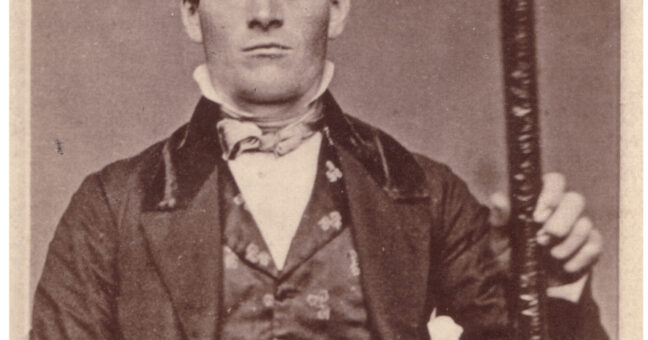 Most of what we “know” about Phineas Gage was written after he died. The real story says more about how people recover from brain injuries.
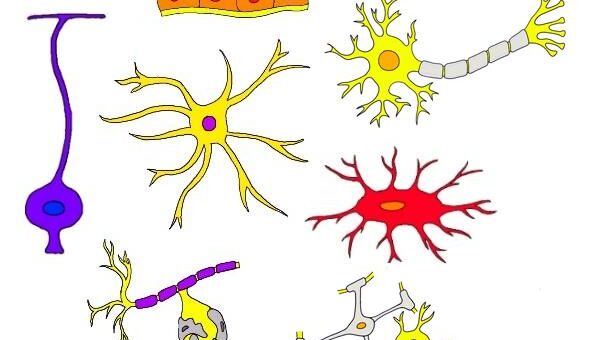 Glial Cells
For much of the history of neuroscience, glial cells were treated like…
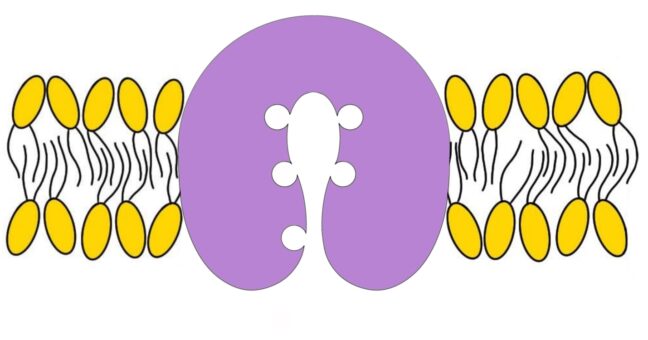 Sodium-Potassium Pump
The sodium-potassium pump (also known as the Na+/K+ pump or Na+/K+-ATPase) is…
Latest Stories
View all stories →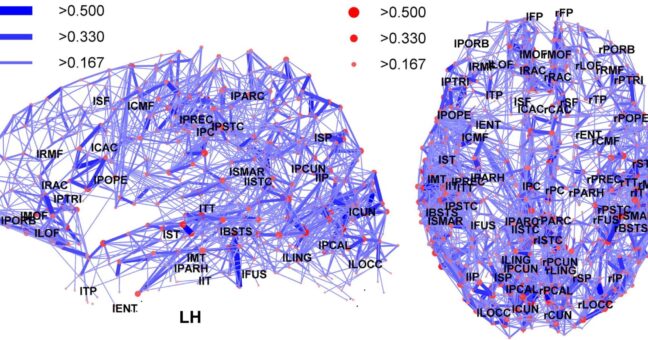
After Vogel and Bogen's full commissurotomies at White Memorial in Los Angeles for epilepsy, early 1960s tests…
Sperry's Nobel lecture records that split-brain patients' largely mute right hemisphere could retrieve an object described only as 'a measuring instrument'.

Psychology says the kids of the 1960s and 70s didn’t grow up self-reliant because their parents were wiser

Most retirees don’t realize the one hobby that keeps their mind sharpest isn’t crossword puzzles or reading
In 1958 a cell in a cat's visual cortex went off like a machine gun as Hubel and Wiesel slid a glass slide into…
Hubel's Nobel lecture describes the 1958 accident in a Wilmer Institute basement that revealed cortical cells tuned to the angle of a line.